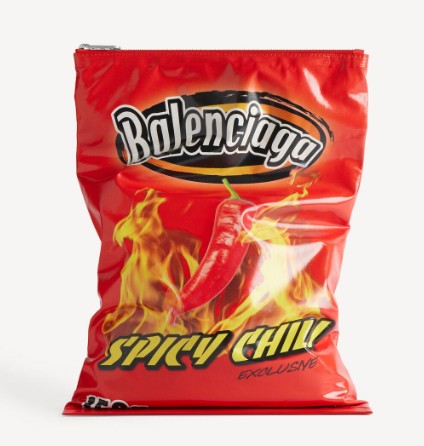
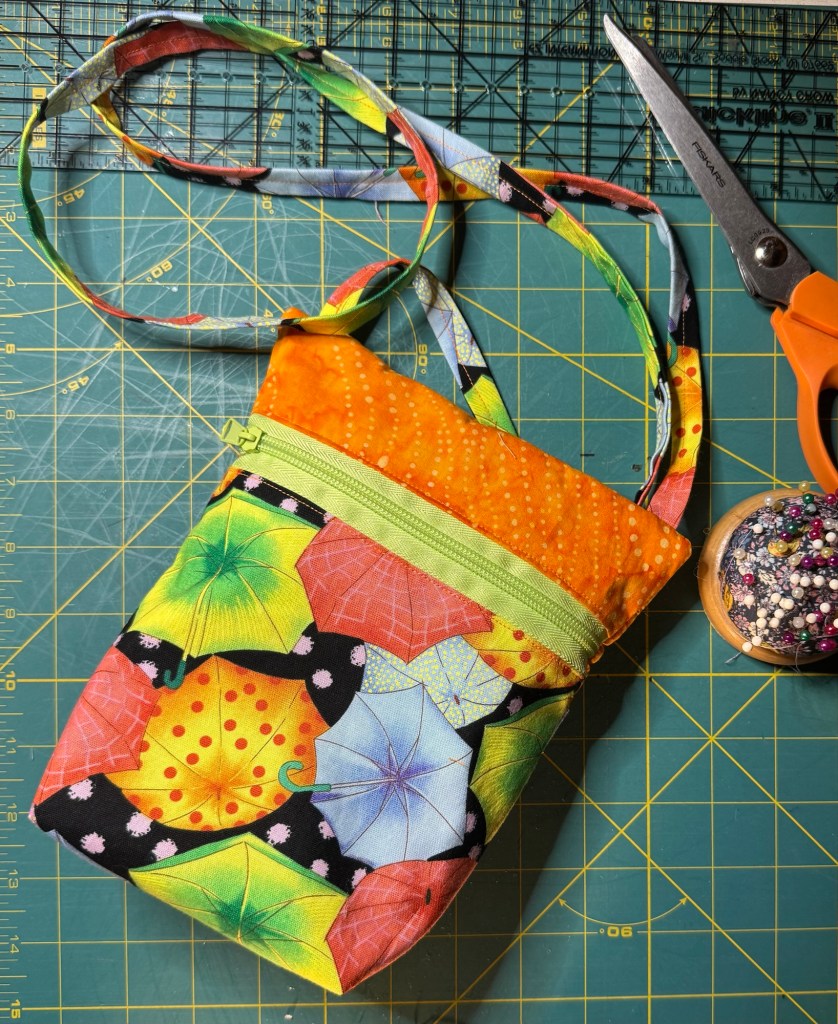
(( the handbag above sells for $2,050 in Saks Fifth Avenue & similar stores ))
“People buy expensive bags like that to carry their egos around in.”
~ commenter on the YouTube Short linked at the bottom of this post
In addition to my love of making my own purses, I am deeply curious about why people are willing to spend a small fortune for “designer” bags. When I say, “fortune“, here are some examples: **
- Hermés
- Birkin 25 (Togo leather): ~ $13,500
- Kelly bags: ~ $10,000–$12,000+
- Chanel
- Classic Flap (Medium): ~ $11,700
- Maxi Flap: ~$10,000
- Louis Vuitton
- high-end/exotic leather and limited-edition pieces: $6,000–$10,000+
- Dior
- top-tier Lady Dior and exotic editions: $6,000–$10,000+
- Bottega Veneta
- High-end Bottega pieces $5,000–$10,000+
- The Row
- Margaux: ~$5,000 – $6,000
I have ZERO desire to control what businesses charge for their products, or what people spend on things they want, but I am permitted to have an opinion; and on this topic, I have some STRONG ones.
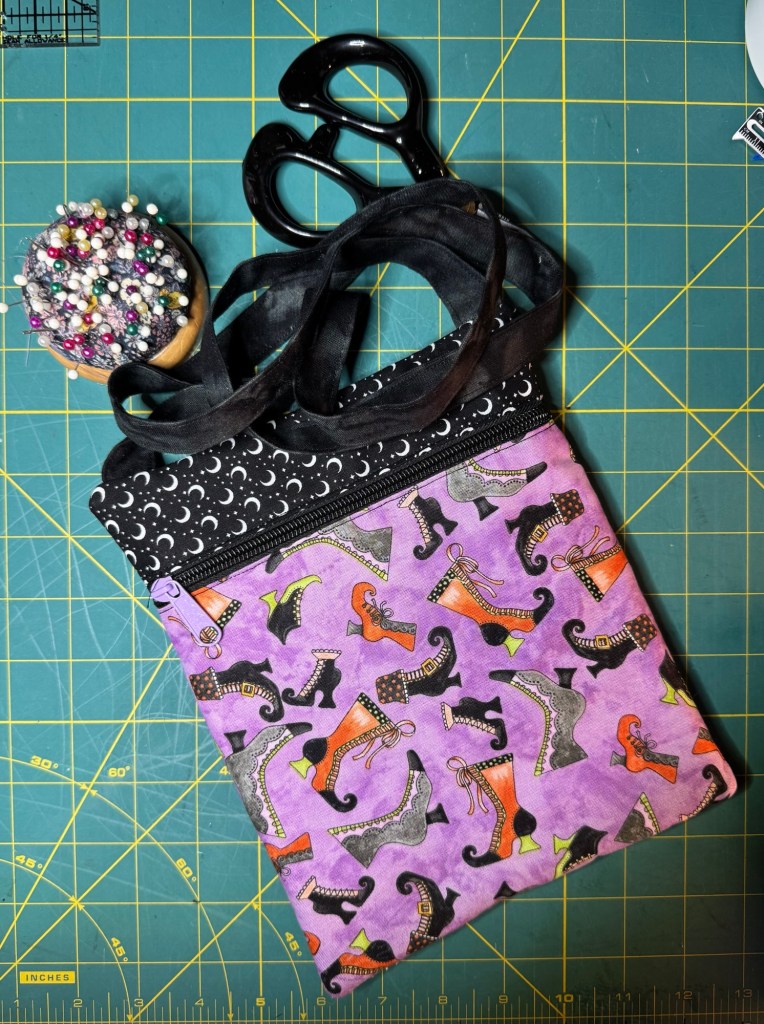
A purse is primarily a FUNCTIONAL item. It carries things that we need to take along with us. Some of the more useful features (my opinion) include a cross-body style so I can have both hands free, internal pockets for organizing, and zippers to keep pick-pocketer’s hands from easy access to my cash and cards.
Beyond purses, I have never really been someone that felt the need to show off. My personality is less of the showy, “look at me” variety and more of the “stealth” approach. I don’t want to draw attention to myself, so not only do I not care what anyone else thinks about what I’m wearing, carrying, or how I spend my money; I prefer it if they don’t even notice.
After watching the video clip below, I began to think about similar issues specific to the fiber arts world. We are deep into the Yarn Crawl season in this region (Mid-Atlantic U.S.) and as I have discussed in earlier blog posts, including my most recent one, once again I have decided not to “crawl“.
The reasons not to crawl were a HOT topic this week at the fiber arts gathering that I attend, as were some of the personalities at the different yarn shops. One woman shared an experience at one of the shops participating in the crawl that (sadly) didn’t surprise anyone there. She was looking for yarn to make a pair of socks, was new in town, and it was her first time visiting that store, so she asked for some guidance to find a specific type of yarn. The shop owner handed her one skein, but she wanted two. When she asked for a second one, the owner said, “You can’t afford that“.
“Something somewhere has gone really wrong in people’s heads”.
~@annrussell03 (YouTube)
Not only was that bizarre and rude, it was also extremely stupid. The shopper has a good job and makes plenty of money to buy the yarn she wants in the quantities that she chooses.
This story got me thinking about the dustup in the fiber arts community around acrylic yarn vs. natural fibers. We most definitely have “yarn snobs” in the larger fiber arts community that could give the prissy purse people a run for their money!
While some people who rank HIGH in terms of hating acrylic yarn do so for environmental reasons, I suspect that most of them are unaware of the tradeoffs for OTHER fiber production.
- For reference, I created a page that lists the various tradeoffs.
In the great acrylic/natural yarn debate there is ALSO the issue of cost. Not everyone who knits or crochets can afford all-natural fiber yarn. AND, it has been my observation that most folks claiming the eco high ground on acrylic yarn are still driving gas-powered cars, shopping fast fashion when it suits them, and contributing to as much environmental stress in other areas of their lives as the acrylic yarn shoppers.
In other words, until they’re the shining example of environmental awareness across multiple fronts, they need to sit down and hush.
This post would be incomplete if I didn’t mention the controversy surrounding StevenBe (Steven Berg) for comments he has made that have been racially insensitive. He has been accused of being outright racist and regularly marginalizing the lived experience of BIPOC people in the maker/fiber arts community.
In addition to being a racist, he is also apparently defensive when called out. A recurring theme in reports on his responses include that he issues statements that are perceived as self-centered, rather than apologetic; he BLOCKS or DELETES comments that he doesn’t like on social media instead of engaging honestly with people who disagree with him; and frames anyone who criticizes him as a “hater” instead of taking some time to self-reflect and possibly even self-correct.
Since his yarns are almost all in the premium to boutique price group, ranging in price from $28 to more than $70 per skein (or hank) of yarn, and his kits are described as often being more expensive than the sum of their parts, he fits nicely into this conversation around overpriced commodities.
Again, sellers have the right to price their products as they choose. As consumers, our responsibility is to evaluate what is being offered as to its cost/benefit as well as its opportunity costs, and then to decide accordingly.
“She is not buying a bag. She is buying a brag.“
~ commenter on the YouTube Short linked below
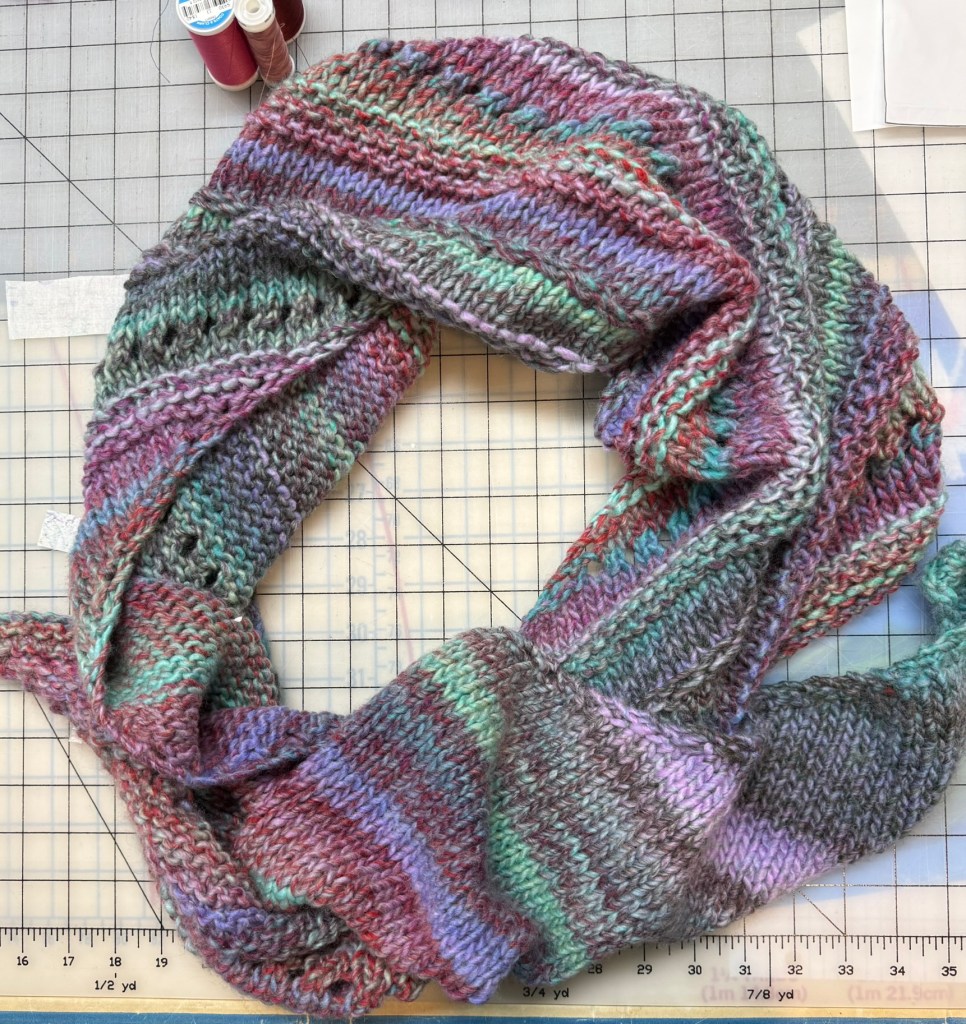
In the same way that I don’t see a value add in the utility of a purse that costs thousands, or even hundreds of dollars; I cannot see the benefit to knitting a wrap where the supplies cost close to $200, which means that by the time I finish making the item, it would represent a total value of almost $1,000.
Not only do I feel NO need to wear a $1,000 wrap or shawl, I don’t know anyone in my circle who would appreciate something that expensive. No disrespect to anyone, but as I have written about before (as have many other fiber artists), not everyone values handmade gifts.
No amount of attention to the idiocy of overpriced goods is likely to tamp down the ridiculous behaviors around designer items, in the fiber arts OR larger community. BUT, if there are folks feeling bad that they can’t afford $45/skein yarn, or a $5,000 handbag, take heart! It seems more apparent than ever that being EXPENSIVE is no guarantee of utility, quality (of the item OR the designer), or happiness.
In other words, whether it’s stitching or buying a purse, we should all lean into being our own unique “brand” – regardless of what anyone else might think.
(C) 2026 Stitch ‘n Dish
** these are actually some of the LOWER priced “expensive” handbags
Related blog posts:
 Stitch 'n Dish