
My sister and I attended several local craft shows this past weekend, and I have some thoughts. Before I go any further, let me again share that our father is a glassblower, and we grew up running the grounds of numerous juried craft shows. This was back in the early to mid 1970’s. At the time, our parents were able to pay their mortgage, car payment, buy groceries, and more from the money they made at these shows. I was also old enough to cover for my mother when she took breaks, selling the items, taking the money, giving change, and answering questions. I say this to establish that I have more than an observational perspective on craft shows and money.
The landscape
I recognize that changes in global trade have disrupted shopping as we know it (can you say “Amazon“). Things that were only available in limited quantities from local vendors can now be searched, priced, and acquired from across the ocean. In addition, today we can often get multiples of any one thing for the price of a single handcrafted item.

Like many things in life, this sets up dual tensions. It is nice to be able to get things quickly (in 2 days!), and for extremely reasonable prices. The tradeoff is that we cannot control what all is made available.
The OTHER landscape factor is that entities with space have figured out that there’s money to be made in craft shows – by selling table space. Judging by the dearth of transactions we observed at each show, we calculated that the only people making any substantive money were the hosts. At an average of $55 per table or space, one host site easily cleared more than $7,500. Most of the crafters we saw likely struggled to make back their investment in the space, let alone enough to justify being there all day.
These and other factors continue to exert pressures on people who want to make money selling handcrafted items.
The quality factor
First of all, we saw some terrific, high quality crafts for sale at the shows we visited. Unfortunately, these folks were sprinkled in between “Buy/Sell” vendors, 3D printed plastic figures, and poorly-made traditional crafts. In other words, it was easy to get disillusioned and head for the exit.

I understand how the non-craft vendors get added to these shows. It’s very simple: dollars and cents. The hosts of these shows know that craft show enthusiasts will come out to see what’s being sold. The hosts will get their $55/table fee NO MATTER WHAT. Their motivation is short term gain. I doubt they care whether the reputation of the craft show suffers, or if quality crafters stop participating. They’ll simply shift their focus and find another way to make a quick $5,000 to $7,500 on a Saturday.
CRAFT shows (capitalization intentional) should NOT include Buy/Sell vendors. Unfortunately, this prohibition now also needs to include 3D printing vendors, and craft supplies vendors (e.g. rubber beads). Sadly, the only check and balance available for quality crafters is to refuse to participate in shows that allow these as participants.
I also saw more than a few crocheters, knitters and sewists who were selling things of a quality that I would not even give away. Examples include plushies where the stuffing was visible through the stitches, and zipper pouches that did not include top stitching on the inside (which means the inside often catches in the zipper, and is irritating).
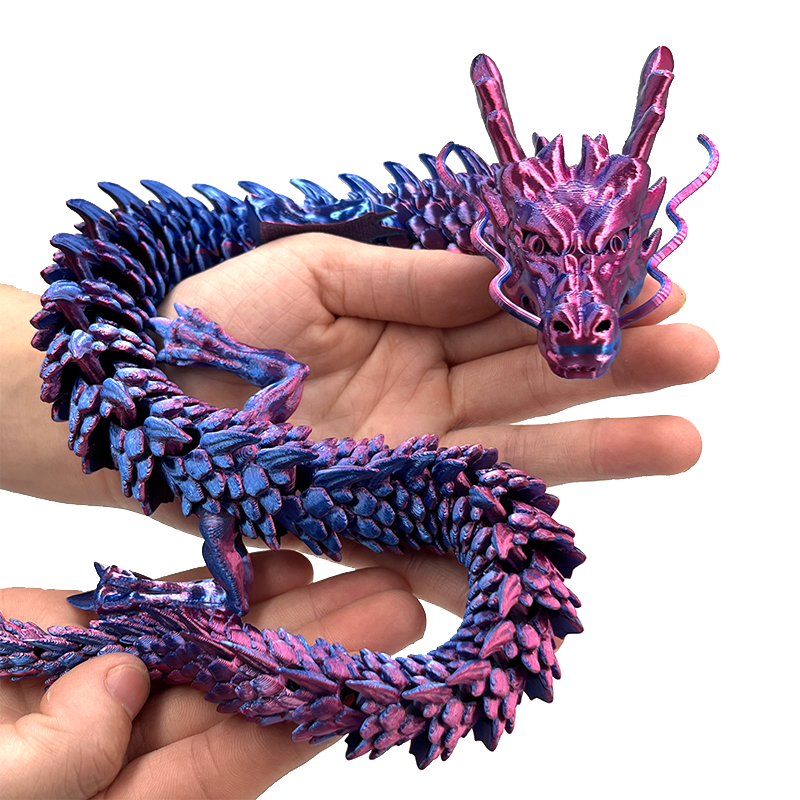
In addition, tables with things like diamond painting items were present. In my opinion, this is akin to selling “paint by number” pictures, and is a hard “no” as a handcrafted item. Take these to an ART show and see how they go over (they won’t – almost all are juried shows). Diamond painting is not representative of a handcrafted item. Same comment for the batch-created plastic critters that are 3D printed, like the purple dragon posted at the top of this page.
The desperation of “craft math“
A number of people selling things had price points of a handful of dollars (less than $5). All were things that I know took more than an hour to make. When the market requires that a price be so low that the maker is giving away their work, it’s time for a change.
Sadly, too many people see ANY exchange of money as a net positive cash flow. It is not, and the fact that so many people cannot see this is disturbing. A couple years ago I wrote a blog post on my own experience and how to calculate a reasonable price.
Cold, hard facts
For MOST people (note that I did not say ALL people), it is not feasible to make craft items and sell them to make money. If the goal is to spend time crafting and hanging out in craft-adjacent spaces, keep on keeping on. BUT, if the goal is to make money, or supplement household income, or have a side-hustle: craft shows are not the answer.
Most of the people interested in handcrafted items can easily learn how to make them. If not, it’s likely that someone around them has already gifted them MULTIPLE (insert item here). Some examples include (but not limited to) crocheted or knitted hats, hot pads, scarves, throws and baby blankets. As someone who makes and gifts these, I can attest that folks have OTHER examples of these things, given by non-family members. There’s no shortage of people making and gifting things like this. This means that the market for SELLING these items is limited.
Someone reading this is inevitably thinking of a YouTube short or Reel (TikTok, too) where some crafter claims that they made a TON of money at their recent market. All we need to do is watch through to the end to see which items sold best.

Now, let’s stop for a minute and think about this. I have YET to see items they claim as best sellers doing that well (or well at all) in any of the shows that I have visited. My observations are not double-blind research studies so I could be wrong. Here’s why I don’t think that I am.
The MONEY that comes from getting a bunch of views, likes and shares will dwarf what can be made at a craft show. Listen to their “advice” with a suspicious mind. They’re certainly making money on that plushie; it’s just not at the craft show. The money is coming from their videos about it.
Dollars and cents
A good rule of thumb about selling some item or service is to ask how DIFFICULT is it for someone else to do the same thing. I work a side hustle as a church organist and have to turn down jobs (because I can only be in 1 place at 1 time). It took me DECADES of lessons, practice and time with my butt planted on the organ/piano bench to have a skill that is worth $55 to $100/hour (or more, depending on the venue).
Diamond painting does not require the same level of time and practice; neither does candle making, bead-stringing, or crocheting/knitting simple items.
I understand the economic challenges in the world today that lead people to think that making and selling is an option. Still, I believe that people MAKING things and selling them at craft shows are losing money, every time.
The bottom line
It’s time for us as fiber artists, especially, to stop seeing our handmade items as a means to make money. In most cases, they are not. Furthermore, it feels disrespectful to the history of these practices that we keep trying to mass produce things, frantically, to make a few bucks here and there.
Overseas factories will continue to churn out trinkets to be sold in stores everywhere. People will continue to buy them online, and in stores.
As serious fiber artists / artisan crafters, let’s “Just Say No” to cheapening our efforts by trying to sell the things that we make in a market that is never going to respect them for the time, talent, creativity and effort that we put in.
Let’s raise the bar, elevate the standard, and stop desperately trying to play in a market that clearly does not revere our contributions.
Our fiber arts traditions are worth more, and so are we.
(C) 2026 Stitch ‘n Dish